
04
Jan
Can Receding Gums Grow Back? Signs, Causes, And What To Do About It
Can receding gums grow back? Many people worry when they see their teeth changing shape or feel sudden sensitivity. Teeth receding means your gum tissue is pulling away from the tooth, exposing more of the crown or even the root. This matters because exposed roots can cause discomfort, appear unattractive, and increase the likelihood of decay and tooth loss. This post explains how to identify receding teeth, common causes, non-surgical treatment options, surgical procedures, prevention tips, and when to consult a dentist.
What Does Receding Teeth Look Like?
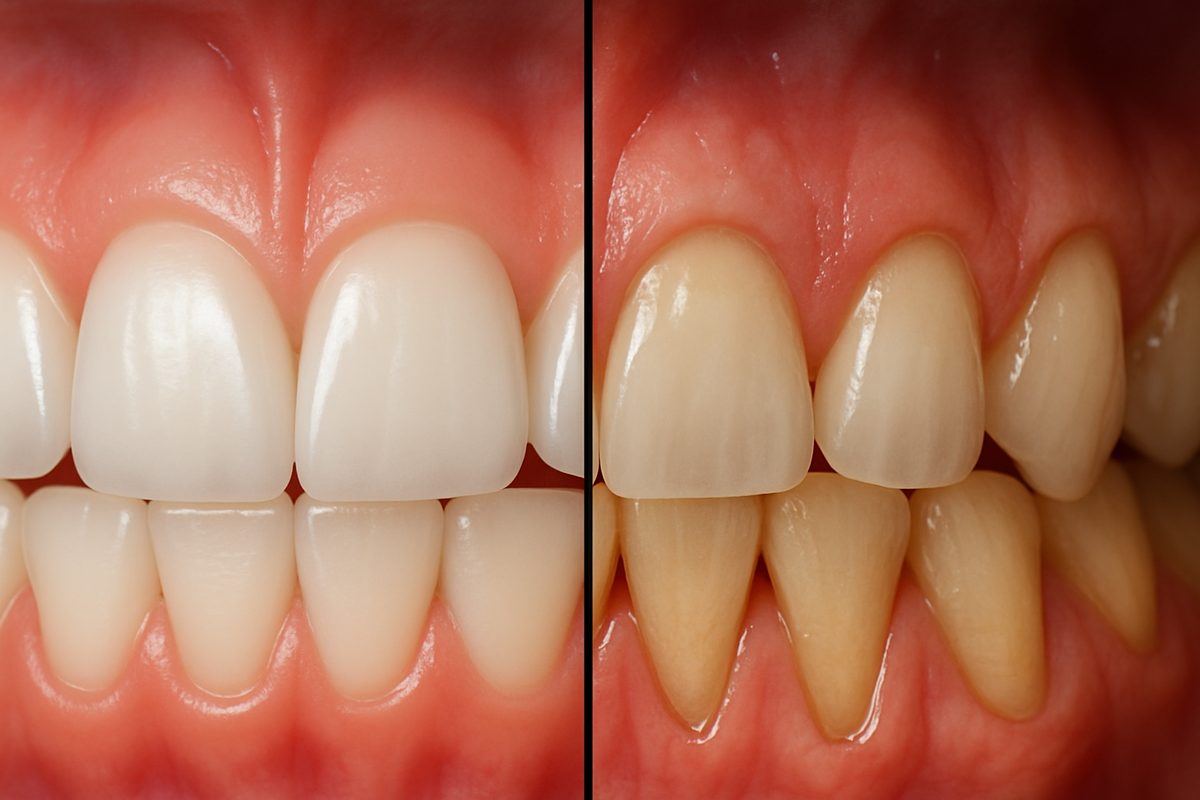
Teeth that are receding usually appear as teeth that look longer than before. You may see a darker area near the gum line where the root is exposed, or small notches in the tooth near the gum. Early signs include mild sensitivity to cold or sweet foods, as well as occasional bleeding when brushing. Advanced recession can cause severe sensitivity, visible root surfaces, and gaps between teeth where food gets trapped. Check for both subtle changes and clear exposure of the tooth root.
Common Causes Of Teeth Receding
Gum disease (periodontitis)
Gum disease begins when plaque accumulates, and bacteria trigger an inflammatory response. Over time, this infection can destroy gum tissue and the bone that supports teeth. As support breaks down, the gums pull away, and the teeth recede. Treating gum disease early is crucial in preventing further loss.
Aggressive brushing & wrong tools
Using a hard-bristle brush or scrubbing side to side with too much force can wear away the tissue. The same damage can come from abrasive toothpaste. Switching to a soft-bristle brush and gentle technique often stops this kind of recession.
Bruxism and orthodontic forces
Grinding (bruxism) and clenching put extra pressure on teeth. That force can push gums back over time. Poor bite alignment or braces that apply uneven force to teeth can also contribute to tooth recession.
Genetics, age, and lifestyle
Some people are more prone to thin or fragile gums due to family history. Gums naturally thin with age, making recession more likely. Tobacco use, piercings, and poor oral habits also increase risk.
Can Receding Gums Grow Back Naturally?
Minor gum recession can sometimes stop getting worse and may appear to improve when inflammation is controlled. However, actual regrowth of lost gum and bone is rare without dental treatment. Teeth that are receding and have exposed roots usually will not fully reverse on their own. Professional care is needed to restore lost tissue, reduce sensitivity, and prevent further damage. Early action improves the chance of stabilizing the problem.
Non-Surgical Options To Stop Or Improve Teeth Receding
Improved oral hygiene
Gentle brushing with a soft-bristled brush and correct technique reduces gum trauma. Floss daily to remove plaque between teeth. Desensitizing toothpaste can help with sensitivity while gums heal. Good home care helps inflammation subside and can stop mild recession from worsening.
Night guards and bite correction
A custom night guard can protect teeth from grinding and reduce pressure on gums. In some cases, minor bite adjustments or orthodontic treatment can correct forces that cause gum recession and prevent further loss of gum tissue.
Deep cleanings (scaling and root planing)
A professional deep cleaning removes plaque and tartar below the gum line. This helps control infection and allows gums to reattach more closely to the tooth surface. For many patients, scaling and root planing can slow or halt the progression of tooth loss.
Surgical And Restorative Treatments
Gum grafting
Gum grafting involves moving healthy gum tissue to areas where the gums have receded. A connective tissue graft is a standalone procedure in which tissue is taken from the roof of the mouth and placed over the exposed root of a tooth. This covers roots, reduces sensitivity, and improves appearance.
Pinhole surgical technique and other newer options
The pinhole surgical technique and other minimally invasive methods involve shifting existing tissue to cover exposed roots, eliminating the need for large grafts. These procedures can have quicker recovery and less discomfort for suitable cases.
Restorative fixes for sensitivity and appearance
Composite bonding, veneers, or crowns can fill notches at the gum line and protect exposed root surfaces. These options help reduce sensitivity and restore a smooth, natural look once gums are stable.
How To Prevent Teeth Receding
Preventing further recession is often straightforward. Use a soft-bristle brush and gentle circular motions. Floss daily and see your dentist for regular cleanings. Quit tobacco and avoid habits that stress gums. If you grind your teeth, get a night guard. Treat gum disease promptly and avoid acidic or sticky foods that can exacerbate your gum condition. Early habits and regular care cannot reduce receding gums.
See a dentist right away if you notice rapid recession, loose teeth, pus or a bad taste in your mouth, severe or worsening sensitivity, or bleeding that won’t stop. Early evaluation can prevent disease, save bone, and offer simpler treatments. Do not wait until pain or significant damage occurs.
Looking For Help With Teeth Receding?
A dental exam for receding will include a visual check, measurements of gum depth, and X-rays to assess bone. From there, a dentist can recommend a tailored plan, including improved home care, deep cleaning, bite guards, or surgical options if necessary. Early treatment gives the best chance to protect your teeth and reduce sensitivity. If you notice signs of teeth receding, schedule an exam to find the proper next steps.

Dr. Richard Weimar
Dr. Richard Weimar received his BA and DDS degrees from the University of Minnesota and opened his practice in 1984. He has provided exceptional dental care to Minnesota’s Maple Grove and Brooklyn Park communities for over 30 years.
He is a member of many professional associations, including the Academy of Osseointegration, International Congress of Oral Implantology, and American Society of Dental Anesthesiology.
Dr. Weimar is skilled and experienced in almost all areas of dentistry, including sedation dentistry, implants, one-visit crowns using CEREC technology, and veneers. He is a pioneer in introducing many new technologies in the state as he wanted to provide his patients a comfortable, pain-free, faster, and less expensive dental experience. He educates patients on all procedures so they can make informed decisions about their treatments. His mission is to create a dental office where patients can receive all treatments under one roof.