
10
Mar
Find A Great General Dentist in Maple Grove, MN Near You
This post helps people find a reliable general dentist maple grove mn near them. If you live in Maple Grove or the surrounding Twin Cities, this guide explains what a general dentist does, the services you can expect, how to choose the right provider, and what to ask before you book. Use this to make smarter, faster choices about local dental care. This guide is for families, busy professionals, and anyone who wants clear steps to find a trusted general dentist Maple Grove MN. You’ll learn about preventive care, restorative options, comfort and sedation choices, typical costs, and how a first visit usually goes. Choosing a local dentist saves time and keeps care coordinated close to home.
What a general dentist in Maple Grove, MN does
A general dentist Maple Grove MN handles routine and preventive care like exams, cleanings, and X-rays to keep your mouth healthy. They do basic restorative work such as fillings and crowns, perform simple extractions, and refer more complex cases—like advanced root canals or oral surgery—to specialists. Many general dentists also manage cosmetic treatments (bleaching, veneers) or coordinate care when multiple treatments are needed.
Common services to expect from a quality general dentist near Maple Grove, MN
Preventive care
Expect regular dental exams, professional cleanings, fluoride treatments, and sealants for kids. A general dentist Maple Grove MN should also offer oral cancer screenings during routine exams and provide guidance on at-home oral hygiene and cavity prevention.
Restorative and same-day care
Common restorative services include fillings, crowns, bridges, and simple tooth replacement options. Many practices now offer CEREC same-day crowns, which let you get a durable crown in one visit instead of multiple appointments—a big convenience if you’re balancing work and family.
Sedation and comfort options
Quality offices provide comfort options for anxious patients, including nitrous oxide, oral conscious sedation, and IV sedation when needed. Technologies like The Wand® can make anesthesia more comfortable by controlling injection flow. Ask if your general dentist Maple Grove MN has experience treating nervous patients and offering sedation protocols.
Diagnostics and tech
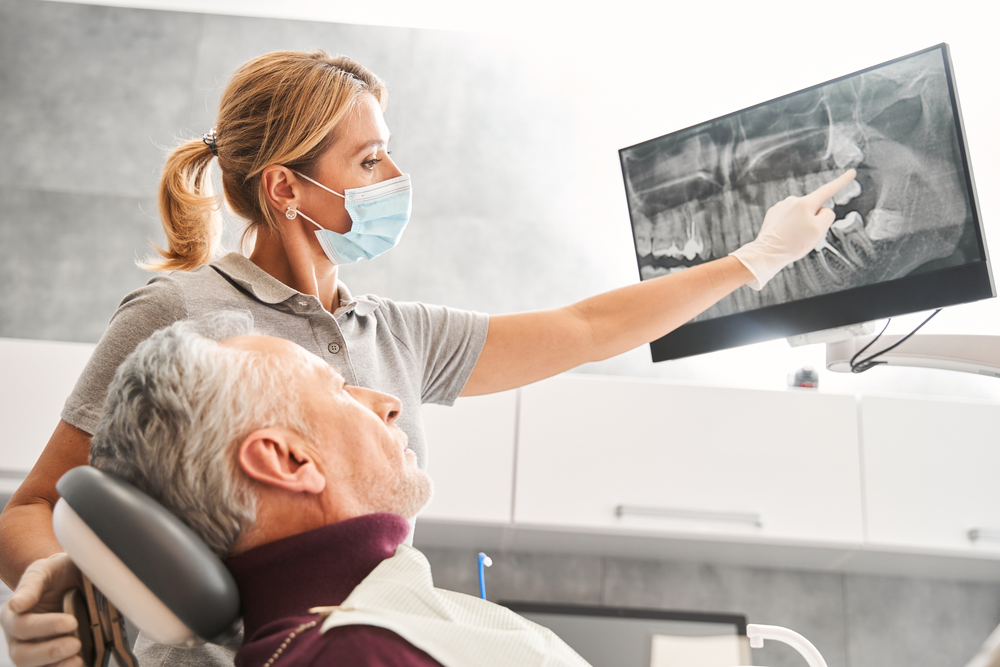
Look for practices using digital X-rays, intraoral cameras, and CBCT 3D imaging for accurate diagnosis and treatment planning. These tools reduce radiation exposure, speed up visits, and help dentists spot issues early so treatment can be more predictable.
How to choose the right general dentist maple grove mn
– Verify the dentist’s license and any advanced training. – Check for implant, sedation, or restorative experience if you may need those services. – Read recent patient reviews on Google and local review sites. – Confirm the practice uses up-to-date technology and strong infection-control protocols. – Ask about emergency care policies and same-day appointment availability. – Compare office hours, parking, and how close the office is to your home or work.
Questions to ask before you book
– Do you offer same-day crowns like CEREC? – How experienced is the dentist with sedation and implants? – What imaging technology do you use (digital X-rays, CBCT)? – How do you handle dental emergencies after hours? – What payment methods, financing, and insurance do you accept?
Costs, insurance, and payment options near Maple Grove, MN
Typical cost ranges vary: exams and cleanings are usually low-cost or covered by insurance, fillings range by material and size, crowns can be several hundred to over a thousand dollars depending on the lab or same-day tech used, and implants are a larger investment often including surgery plus the prosthetic. Always check your insurance benefits, get written estimates, and ask about in-office financing or third-party plans to spread payments.
What to expect at your first visit
When you arrive, you’ll fill out new-patient forms or complete them online. The dentist or hygienist will review your medical history, perform an exam, and take digital X-rays or CBCT if needed. Expect a clear discussion of findings and recommended treatment options, with time to ask questions. If you need sedation or special care, staff will explain protocols and pre-visit instructions.
Common signs you should see a general dentist right away
Seek prompt care for severe tooth pain, swelling, a knocked-out tooth, persistent bleeding, sudden looseness, or signs of infection like fever and worsening pain. These can be emergencies that require immediate attention to save a tooth or prevent health complications.
About Dr. Richard Weimar and Weimar Family & Implant Dentistry in Maple Grove, MN
Dr. Richard Weimar has provided care in Maple Grove for nearly four decades. He completed advanced postgraduate training in implants, sedation, and comprehensive dentistry and has placed over 2,000 dental implants. The practice emphasizes same-day CEREC restorations, CBCT 3D imaging, The Wand® for comfortable anesthesia, and proven sedation protocols. Their goal is to provide comprehensive care under one roof and make treatment predictable and comfortable for patients.
How to find and book a great general dentist near Maple Grove, MN
Start by checking maps and patient reviews, then call for a short consult to ask key questions listed above. Bring any recent dental records and a list of medications to your first visit. If you prefer a practice with extensive implant and sedation experience, consider contacting Weimar Family & Implant Dentistry for a consult—staff can explain services, technology, financing, and scheduling.
FAQ
– How often should I see a general dentist?
Most people should visit every six months for a cleaning and exam, though your dentist may recommend more frequent visits based on risk factors.
– Do general dentists do implants?
Many general dentists provide implant placement and restoration, especially those with advanced training; others refer to specialists for complex cases.
– Is sedation safe?
When administered by trained clinicians with proper monitoring, oral and IV sedation are safe and effective for anxious or complex cases.
– What is a same-day crown?
A same-day crown is made with CAD/CAM technology (like CEREC) and allows a permanent crown to be designed, milled, and placed in one visit.
– Will my insurance cover preventive care?
Most insurance plans cover preventive services, such as exams and cleanings. Coverage for restorations or implants varies—check benefits and ask for an estimate.

Dr. Richard Weimar
Dr. Richard Weimar received his BA and DDS degrees from the University of Minnesota and opened his practice in 1984. He has provided exceptional dental care to Minnesota’s Maple Grove and Brooklyn Park communities for over 30 years.
He is a member of many professional associations, including the Academy of Osseointegration, International Congress of Oral Implantology, and American Society of Dental Anesthesiology.
Dr. Weimar is skilled and experienced in almost all areas of dentistry, including sedation dentistry, implants, one-visit crowns using CEREC technology, and veneers. He is a pioneer in introducing many new technologies in the state as he wanted to provide his patients a comfortable, pain-free, faster, and less expensive dental experience. He educates patients on all procedures so they can make informed decisions about their treatments. His mission is to create a dental office where patients can receive all treatments under one roof.