
26
Oct
Understanding Dental Implant Recovery Time
Welcome to the world of dental implants—a remarkable option for those looking to restore their smile and functionality with the help of modern dentistry. As part of the family- and patient-focused care offered at Weimar Family & Implant Dentistry, understanding the recovery time and process for dental implants can help patients feel more at ease and informed.
What Are Dental Implants?
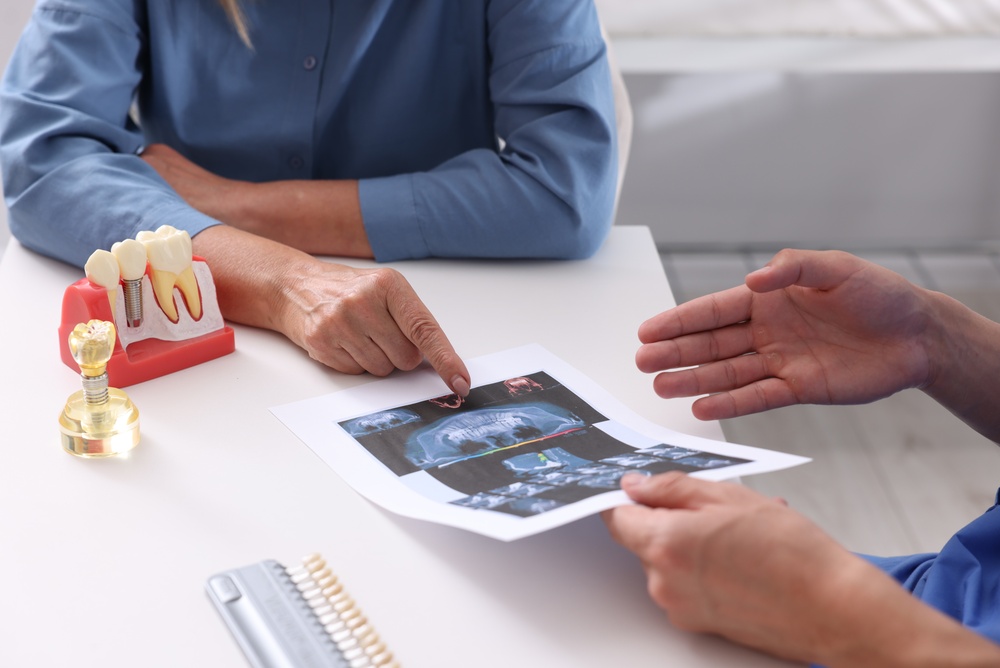
Dental implants are a sophisticated solution designed to replace missing teeth. They consist of a metal post or frame that is surgically positioned into the jawbone beneath the gums, allowing replacement teeth to be mounted on them. The benefits of dental implants extend beyond cosmetic improvements, as they offer enhanced comfort and facilitate better chewing and speech compared to traditional dentures or bridges.
The Dental Implant Process
At Weimar Family & Implant Dentistry, the dental implant process begins with a thorough evaluation to determine your suitability for the procedure. Once the initial assessment is complete, the actual process involves several steps. First, the implant is surgically placed into your jawbone. As you heal, the implant bonds with the natural bone—a process called osseointegration. After healing, a connector, or abutment, is placed on top of the implant, followed by a custom-made crown that matches your surrounding teeth for a natural look and feel.
Factors Influencing Recovery Time
The recovery time following a dental implant procedure can vary from patient to patient, impacted by a range of factors. General health, bone density, and adherence to post-operative care instructions all play significant roles. Those with existing health conditions or compromised immune systems might experience longer recovery periods. Additionally, good oral hygiene practices, including regular brushing and flossing, can enhance recovery speed and success.
Typical Recovery Timeline
While individual experiences can vary, many patients find the initial healing period lasts approximately seven to ten days post-surgery, with full recovery phases extending over several months. The first few days may involve swelling and discomfort at the implant site, but these symptoms generally decline each day. Patients are advised to avoid hard foods and vigorous activities during this time to promote optimal healing.
Managing Discomfort and Pain
Pain management is a common concern among dental implant patients. Fortunately, there are several strategies to minimize discomfort. Over-the-counter pain medications such as ibuprofen can alleviate mild pain, while ice packs help reduce swelling. Resting and avoiding strenuous activities also supports a comfortable recovery. Our team at Weimar Family & Implant Dentistry prioritizes patient comfort, offering personalized guidance to help manage pain effectively.
Importance of Sedation Dentistry
At Weimar Family & Implant Dentistry, we emphasize the role of sedation dentistry in facilitating a smooth and relaxed implant process. Sedation options help minimize anxiety and discomfort during the procedure, allowing patients to undergo treatment calmly. With options ranging from minimal sedation to more profound methods like IV sedation, patients can select the level that suits their needs, ensuring a more pleasant experience and aiding in a more efficient recovery.
Role of a Periodontist in Recovery
A periodontist is a dental specialist with advanced training in diagnosing, treating, and preventing gum disease, and in the placement of dental implants. At Weimar Family & Implant Dentistry, our dedicated periodontist provides expert care throughout the implant process, ensuring optimal results and minimizing potential complications. They offer comprehensive aftercare instructions, tailored to each patient’s recovery needs, making the entire experience more seamless and effective.
FAQ Section
Q: How long does it take for dental implants to fully heal?
A: While initial healing usually takes about a week, complete osseointegration and healing can take several months. Recovery times may differ depending on individual health factors and adherence to care instructions.
Q: Can I return to work immediately after the implant surgery?
A: Most patients can return to work a day or two after the procedure, depending on their personal comfort and the nature of their employment.
Q: What can I eat during each recovery phase?
A: Start with soft foods and gradually reintroduce more solid items as you heal. Avoid very hard or sticky foods during the early stages of recovery.
Q: How can I ensure my dental implant lasts a long time?
A: Maintain good oral hygiene, attend regular dental check-ups, and avoid smoking, which can hinder healing and impact implant longevity.
Q: What if I feel discomfort years after receiving my implant?
A: Contact Weimar Family & Implant Dentistry for an assessment, as ongoing discomfort requires professional evaluation.
Conclusion & CTA
If you’re considering dental implants and are seeking specialized care that prioritizes your comfort and successful recovery, look no further than Weimar Family & Implant Dentistry. Our experienced team is here to guide you through every step, from preparation to carefree smiles. Schedule your consultation today to embark on your journey toward restored dental health and confidence in Maple Grove, MN!

Dr. Richard Weimar
Dr. Richard Weimar received his BA and DDS degrees from the University of Minnesota and opened his practice in 1984. He has provided exceptional dental care to Minnesota’s Maple Grove and Brooklyn Park communities for over 30 years.
He is a member of many professional associations, including the Academy of Osseointegration, International Congress of Oral Implantology, and American Society of Dental Anesthesiology.
Dr. Weimar is skilled and experienced in almost all areas of dentistry, including sedation dentistry, implants, one-visit crowns using CEREC technology, and veneers. He is a pioneer in introducing many new technologies in the state as he wanted to provide his patients a comfortable, pain-free, faster, and less expensive dental experience. He educates patients on all procedures so they can make informed decisions about their treatments. His mission is to create a dental office where patients can receive all treatments under one roof.